
Nowadays, cosmetics have become an indispensable part of many people’s daily lives. However, in recent years, frequent incidents concerning cosmetic safety have attracted widespread attention. In particular, excessive levels of harmful elements such as lead, cadmium, arsenic and mercury in cosmetics pose a potential threat to consumers’ health. These harmful elements may be absorbed into the body through the skin; long-term accumulation can cause damage to the nervous system, kidneys and liver, and may even affect the reproductive system and foetal development. Therefore, the accurate determination of the levels of lead, cadmium, arsenic and mercury in cosmetics is of paramount importance.

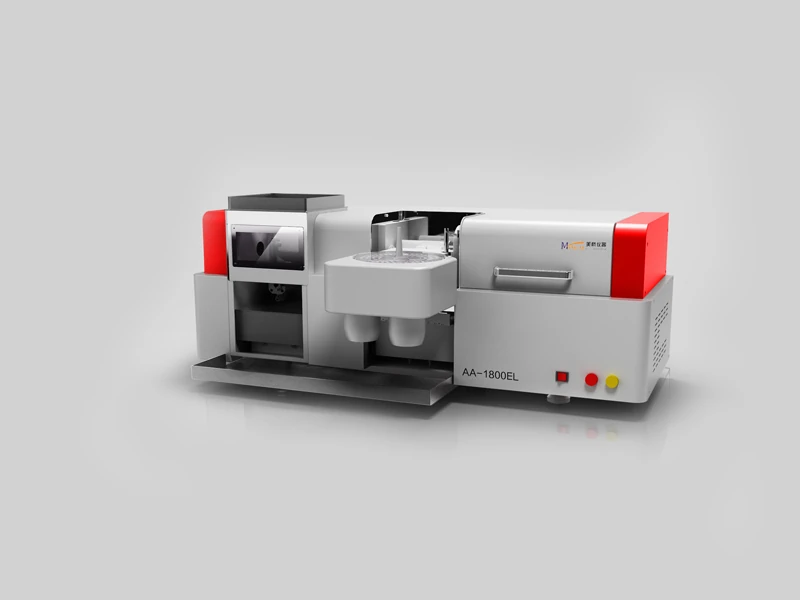
To ensure consumer safety, relevant authorities and research institutions are constantly exploring and refining methods for determining the levels of harmful elements in cosmetics. Currently, commonly used analytical techniques include atomic absorption spectroscopy and inductively coupled plasma mass spectrometry. Compared with other detection methods, atomic absorption spectroscopy offers advantages such as high sensitivity, good selectivity and high accuracy. It is capable of accurately detecting trace amounts of heavy metal elements in cosmetics, thereby providing reliable technical support for ensuring the quality and safety of cosmetics. Based on the experimental methods for determining the levels of lead, cadmium, arsenic and mercury in cosmetics using atomic absorption spectrophotometry as outlined in the 2015 edition of the Technical Specifications for Cosmetic Safety, this paper establishes a determination method suitable for the Macylab AA-1800EL atomic absorption spectrophotometer following the optimisation of testing conditions. This method is provided for reference by relevant professionals.
Experimental Section
Apparatus and Reagents
AA-1800EL Atomic Absorption Spectrophotometer
Sample Preparation
Sample digestion:
Weigh 0.5 g of the sample (accurate to one ten-thousandth) into a digestion tube, whilst preparing a reagent blank. Evaporate at a low temperature in a 100 °C water bath, then add 3 mL of nitric acid and leave to stand overnight. Next, add 2 mL of hydrogen peroxide, heat in a 100 °C water bath for 20 minutes, remove, cool, and then proceed with microwave digestion. Upon completion of digestion, neutralise the acid in a constant-temperature water bath at 100°C. After cooling, make up to volume and prepare for analysis.
Weigh 0.5 g of the sample (accurate to one ten-thousandth) into a digestion tube, whilst preparing a reagent blank. Evaporate at a low temperature in a 100 °C water bath, then add 3 mL of nitric acid and leave to stand overnight. Next, add 2 mL of hydrogen peroxide, heat in a 100 °C water bath for 20 minutes, remove, cool, and then proceed with microwave digestion. Upon completion of digestion, neutralise the acid in a constant-temperature water bath at 100°C. After cooling, make up to volume and prepare for analysis.
Instrument Specifications
| Element | Wavelength(nm) | Slit width (nm) | Inert gas flow rate (L/min) | Deuterium lamp current (mA) | Lamp current (mA) | Injection volume (μL) |
| Pb | 283.30 | 0.2 | 1.50 | 100 | 3.0 | 20 |
| Cd | 228.80 | 0.2 | 1.50 | 100 | 2.0 | 20 |
| As | 193.70 | 0.4 | - | - | 8.0 | - |
| Hg | 253.65 | 0.2 | - | - | 2.0 | - |
Experimental Results
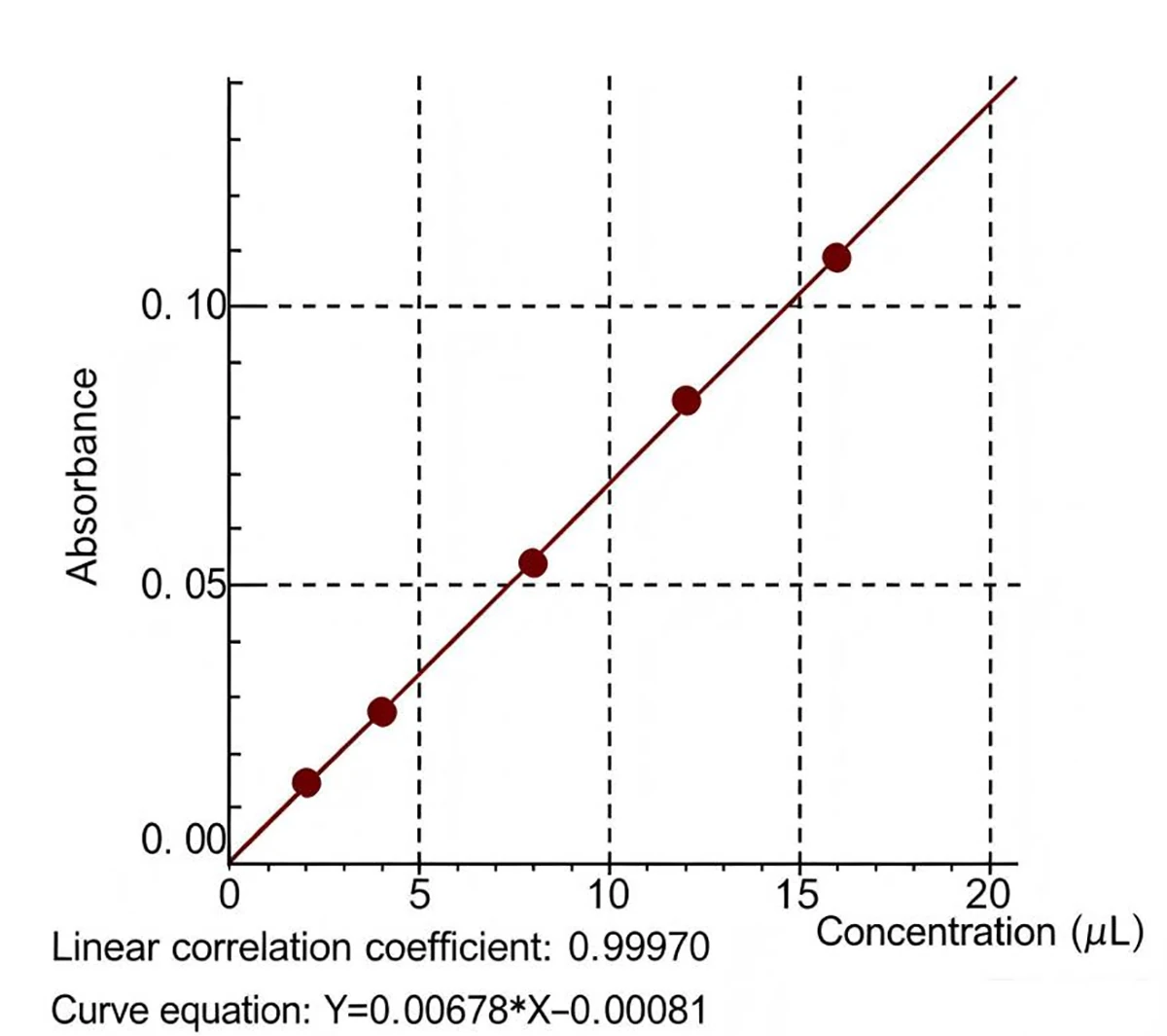
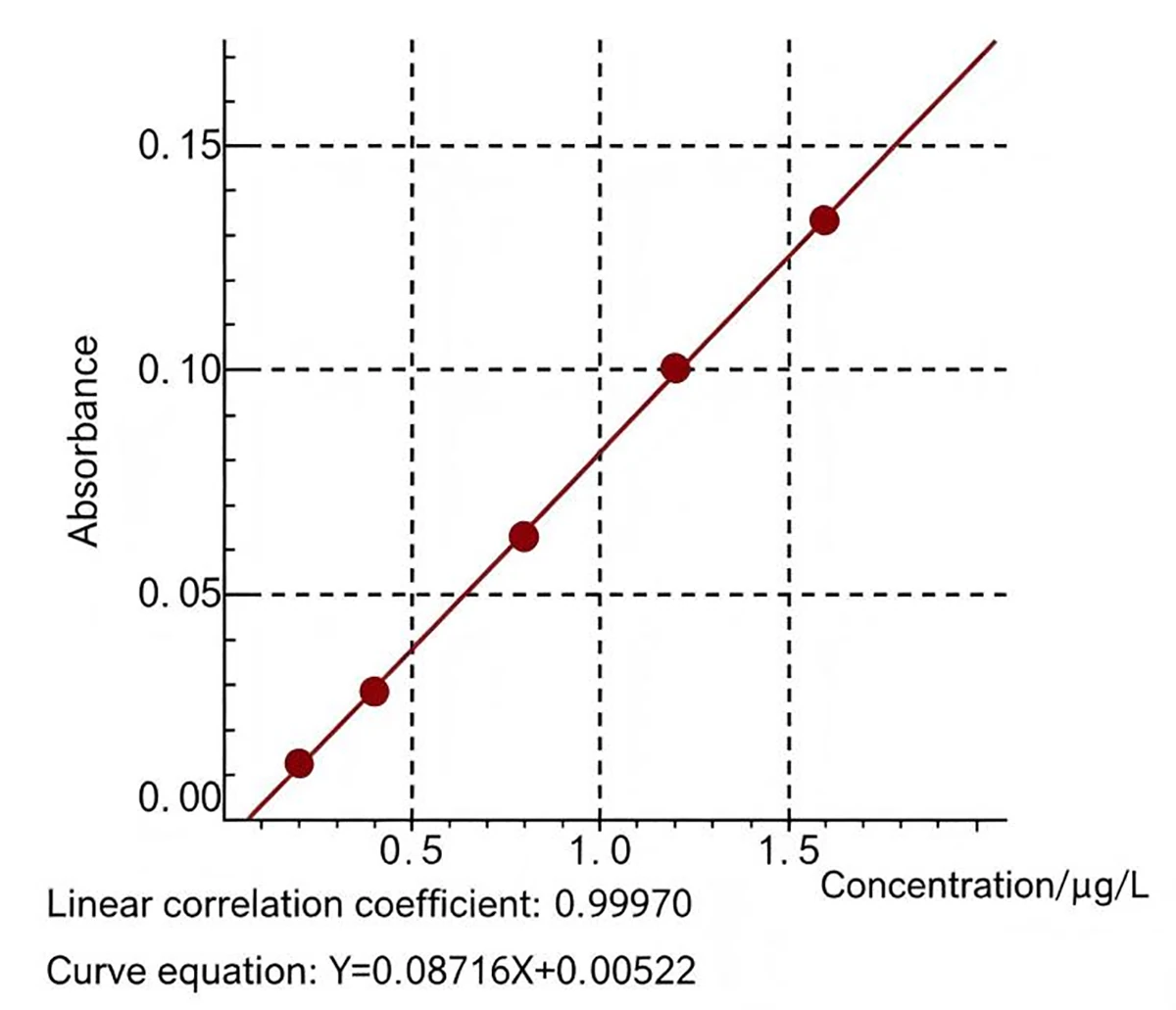
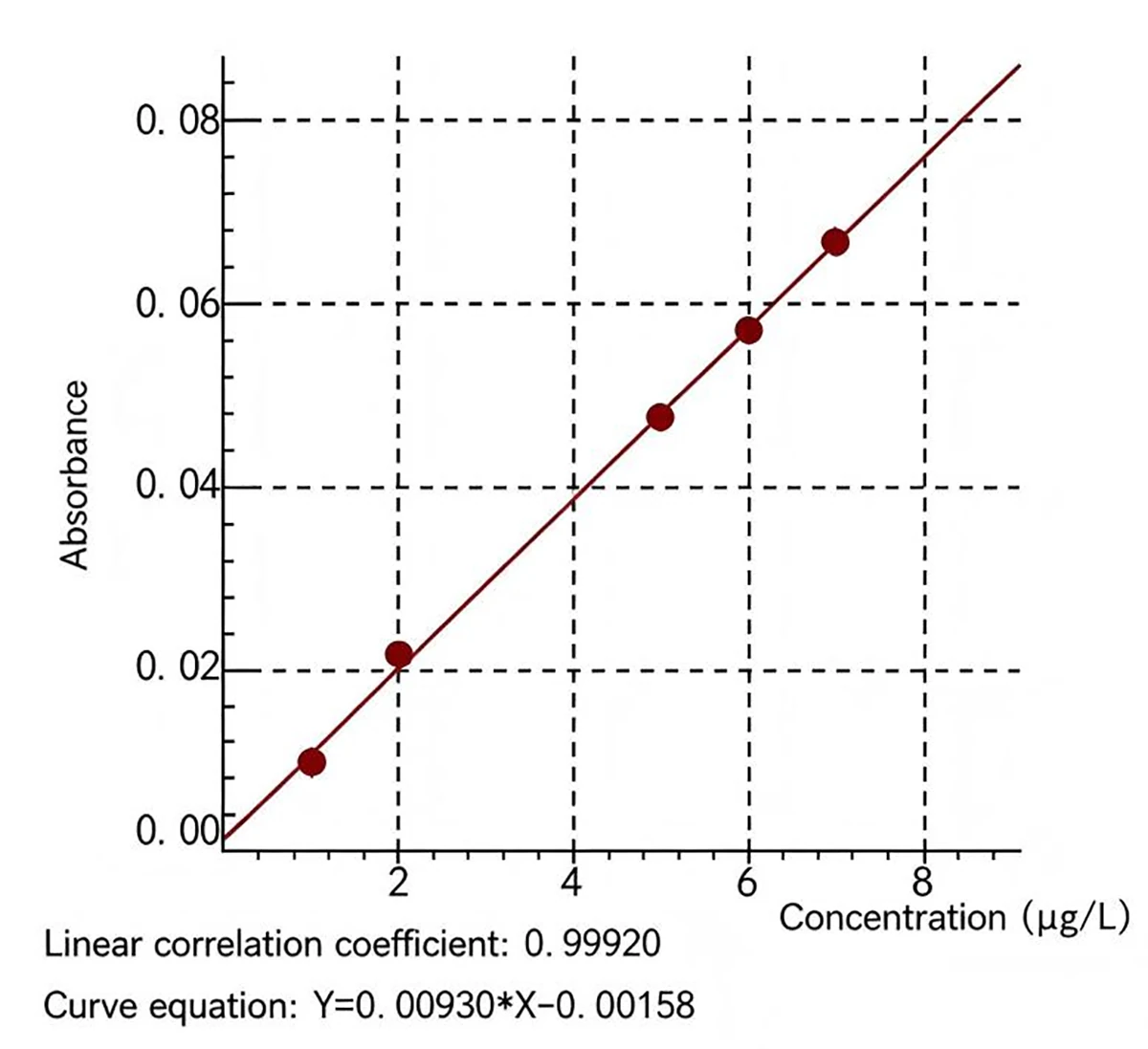
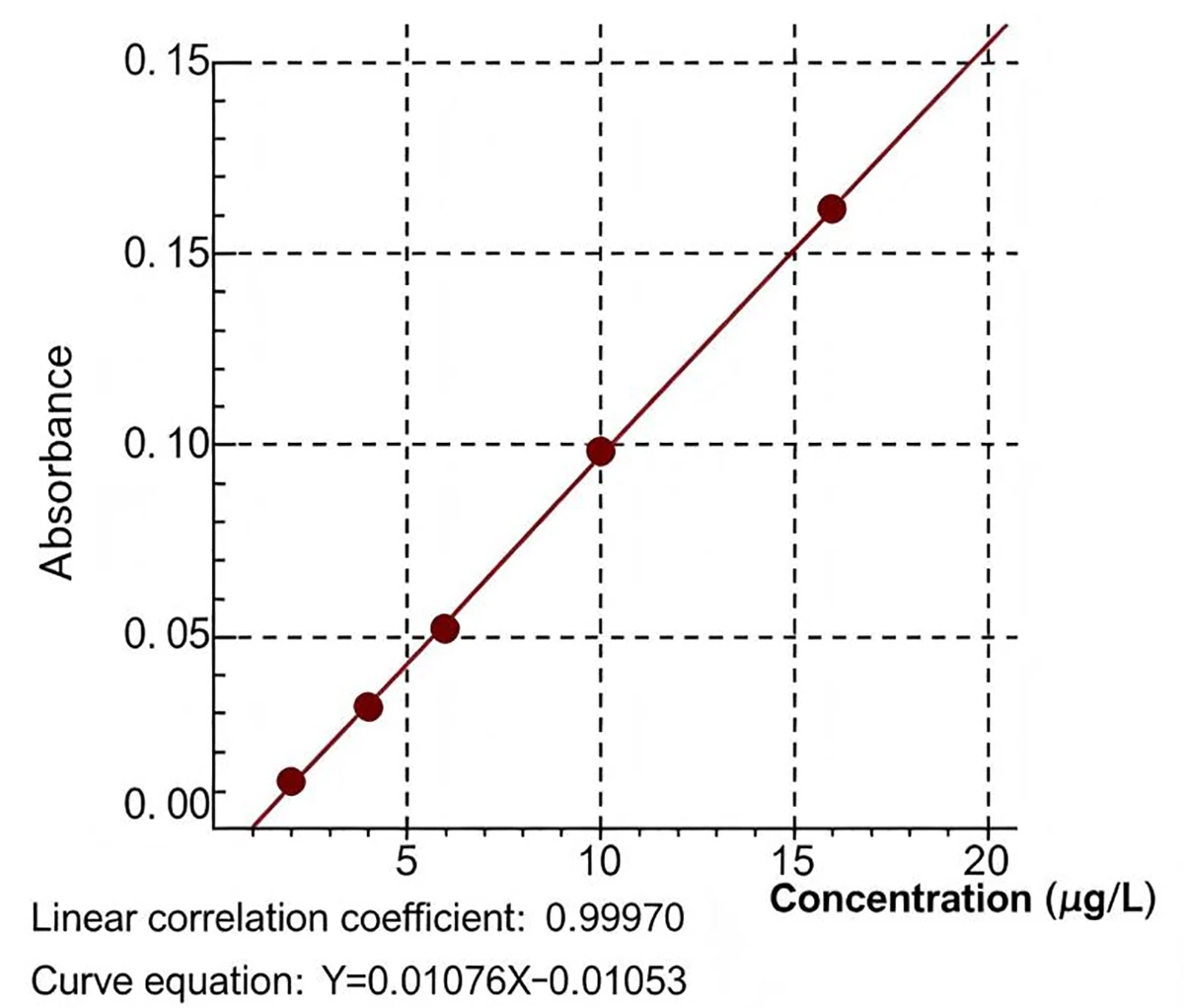
Prepare a series of standard solutions for each element as shown in the table below. Once the instrument has stabilised, inject the samples in sequence and plot a standard curve based on concentration and absorbance.
| Element | Concentration (μg/L) | |||||
| Pb | 0.00 | 2.00 | 4.00 | 8.00 | 12.00 | 16.00 |
| Cd | 0.00 | 0.20 | 0.40 | 0.80 | 1.20 | 1.60 |
| As | 0.00 | 1.00 | 2.00 | 5.00 | 6.00 | 7.00 |
| Hg | 0.00 | 2.00 | 4.00 | 6.00 | 10.00 | 16.00 |
Calibration Curve
Pb Calibration Curve
Cd Calibration Curve
As Calibration Curve
Hg Calibration Curve
Analysis results
| Pb | Cd | As | Hg | |
| Sample | <2μg/L | <0.2 μg/L | <1μg/L | <2μg/L |
Experimental Summary
This paper describes a method for determining the levels of lead, cadmium, arsenic and mercury in cosmetics using the Macylab AA-1800EL atomic absorption spectrometer. This method is simple to operate, rapid and highly accurate, and has been widely adopted in practical applications. In practical testing, this method can effectively determine the elemental content of various types of cosmetics, such as lotions, face creams and lipsticks. Furthermore, the method is capable of precisely detecting trace amounts of lead, cadmium, arsenic and mercury, providing accurate results even when concentrations are extremely low. This report is intended for reference by relevant personnel.
Ready to Implement This Solution?
Contact our application specialists for a customized quote and method validation.