
Lithium-ion batteries represent a new type of rechargeable storage battery characterized by high capacity, reusability, and environmental friendliness. Since the 1990s, LIBs have emerged as a relatively new commercialized battery technology, finding widespread application in mobile devices such as smartphones and laptops. They are increasingly becoming essential components of our daily lives. In recent years, LIBs have achieved significant advancements in high-capacity and high-output performance, leading to their adoption in electric vehicles, solar power generation, and wind power systems.
In recent years, China has aligned with the global trend toward new energy development by increasing investment in lithium-ion battery technology. Lithium-ion batteries have been designated as a key automotive battery technology under the “863” National High-Tech R&D Program. As an emerging green and high-quality energy source, lithium-ion battery manufacturing demands exceptionally high precision. The performance of key materials significantly impacts the overall battery performance, necessitating rigorous quality control measures throughout the production process. To ensure precise control over the quality and manufacturing processes of each critical component material, analytical testing methods for these key components have become a vital focus for domestic testing institutions.
Currently, the majority of lithium-ion batteries worldwide are produced in Japan, while the lithium-ion battery manufacturing industries in the United States, Europe, and China are also rapidly developing. Due to their high capacity and eco-friendly properties, lithium-ion batteries are considered the most promising new environmentally friendly energy source to replace petroleum as automotive power in the 21st century.
Analysis Methods for Lithium-ion Batteries
| Part | Constituent | Common Components | Inspection Items (Analytical Equipment) |
| Positive electrode | Active substance | LiCoO₂ (Lithium Cobalt Oxide)LiFePO₄ (Lithium Iron Phosphate) etc. | Composition (ICP-6800)Particle SizeCrystallinity (XRD)(Specific Surface Area Analyzer) |
| Binder | (Polyvinylidene fluoride, PVDF) | Surface morphology (SEM) | |
| Conductive agent | Carbon (carbon black, acetylene black, graphite, etc.) | Crystallinity (XRD)Content (TOC-SSM)Determination of dispersant refractive index (Abbe refractometer) | |
| Anode | Active Material | Carbon, Graphite, Polymer | Crystallography (XRD)Particle SizeSpecific Surface Area Analyzer Carbon Content (Muffle Furnace) |
| Minor additives | Li\P\Cu\Na\Co\Ca\K etc. | Constituent (ICP-6800) | |
| Binder | SBR (Styrene-Butadiene Latex) CMC(Hydroxypropyl Methylcellulose) | Composition (FTIR)Bond Strength (Universal Testing Machine) Binder Centrifugal Separation (Centrifuge) | |
| Separation Membrane | Polyolefin (High-Density Polyethylene) | Composition (FTIR) Pore Structure (SEM/AFM) Thermal Properties (TG/TMA/DSC) Tensile Testing (Universal Testing Machine) Puncture Resistance (Material Testing Machine) Air Permeability (Air Permeability Tester) Separator Shrinkage Rate Test (High-Precision Film Gauge) Separator Thermal Shrinkage Test (Constant-Temperature Forced-Air Oven) | |
| Electrolyte | Solvent | Carbonates, Esters, Ethers | Composition (GCMS/GC/LC) |
| Electrolyte | LiPF₆ (Lithium Hexafluorophosphate) LiPF₄ | Composition (ICP-6800) | |
| Electrolyte | Vinyl Carbonate (VC) | Composition (GCMS) | |
| Electrolyte | Free Acid, Density, Electrolytic Conductivity, pH | Potentiometric Titration, Liquid Density Meter, Conductivity Meter, pH Meter | |
| Battery Cell | Non-destructive inspection of electrode winding, stacking alignment, and encapsulation anomalies Voltage, Capacity, Internal Resistance, Impedance, Insulation | Internal inspection CTElectrochemical WorkstationVoltage Internal Resistance Tester Digital Withstand Voltage Tester | |
| Electrode Plate | Observation of electrode plate (optical microscope) Moisture Determination (moisture analyzer) | ||
| Thermal Analysis | Material Thermal Response Analysis (Simultaneous Thermal Analysis, Differential Scanning Calorimetry, Thermogravimetric Analysis) | ||
| Complementary Products | Dew Point Temperature Testing (Dew Point Meter) Weighing and Measurement (Electronic Balance, Micrometer)Material Tapped Density Testing (Tapped Density Tester)High-Precision Measurement for Cells or Modules (High-Precision Multimeter, Electrolytic Thickness Gauge) Withstand Voltage and Insulation Testing (Cathode Material Synthesis Sintering (Vacuum Atmosphere Tube Furnace) True Density Testing for Cathode/Anode Materials and Adhesives (Fully Automatic True Density Tester) Raw Material Deduction Testing Pulping and Dispersion (Mixer)Supply of Ultra-Pure Water for Analysis (Pure Water System)Measurement of Conductivity for Carbon Nanotube Conductive Fluid, SP, Electrode Sheets, and Cells Before Electrolyte Addition (Four-Probe Tester) | ||
Elemental Analysis in Battery Materials
Sample Information:
Determined Elements: Li, Fe, P, Ca, etc.;
Sample Matrix: Lithium iron phosphate, ternary raw materials,
Method
1.1 Instrument
ICP-6800 (Macylab)
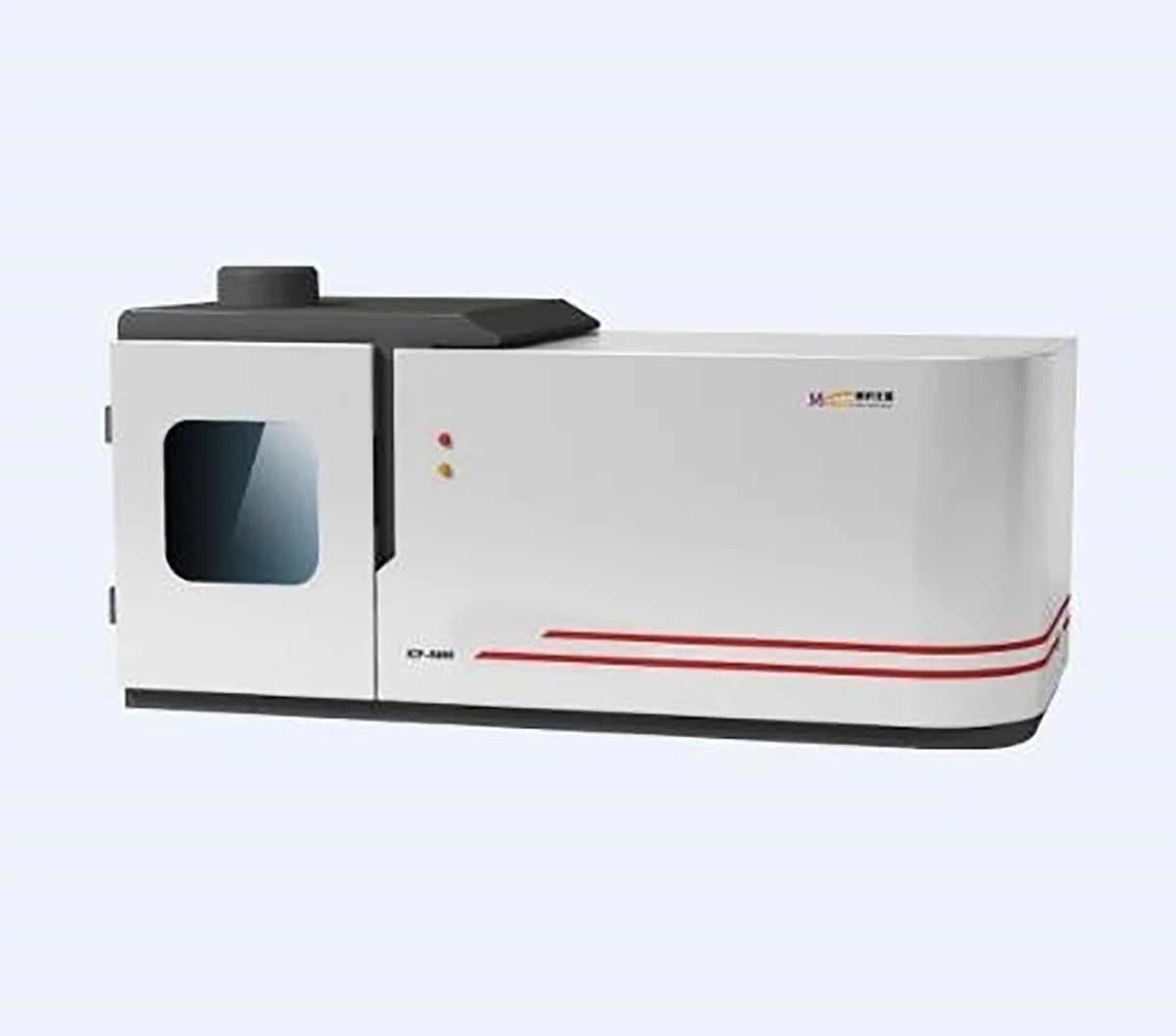
1.2 Reagents and Standards Hydrochloric acid;Multi-element standard solutions;
1.3 Sample Preparation
Ternary Materials, Ternary Precursors: Accurately weigh 0.2500g of sample, add 3mL hydrochloric acid and 2mL water. Place on an electric heating plate and heat until the sample is completely dissolved. Cool, add the spiked solution, and dilute to volume for analysis. Lithium iron phosphate: Accurately weigh 0.2500 g of sample, add 10 mL hydrochloric acid and 2 mL water. Place on an electric heating plate and heat until the sample is completely dissolved. Cool, add the standard solution, dilute to volume, filter, and proceed with analysis.
1.4 Standard Test Solution
· Standard Curve Method — Determination of Li, Fe, P in Lithium Iron Phosphate; Li, Ni, Co, Mn in Ternary Materials; Ni, Co, Al in Ternary Precursor Materials; (Prepare a mixed standard curve with concentrations of 0.00, 2.0, 5.0, 10.0, 20.0, 30.0, 40.0, 50.0, 60.0 μg/mL prior to testing. Aliquot the prepared sample solution and dilute it 100-fold for measurement of the main content elements.)
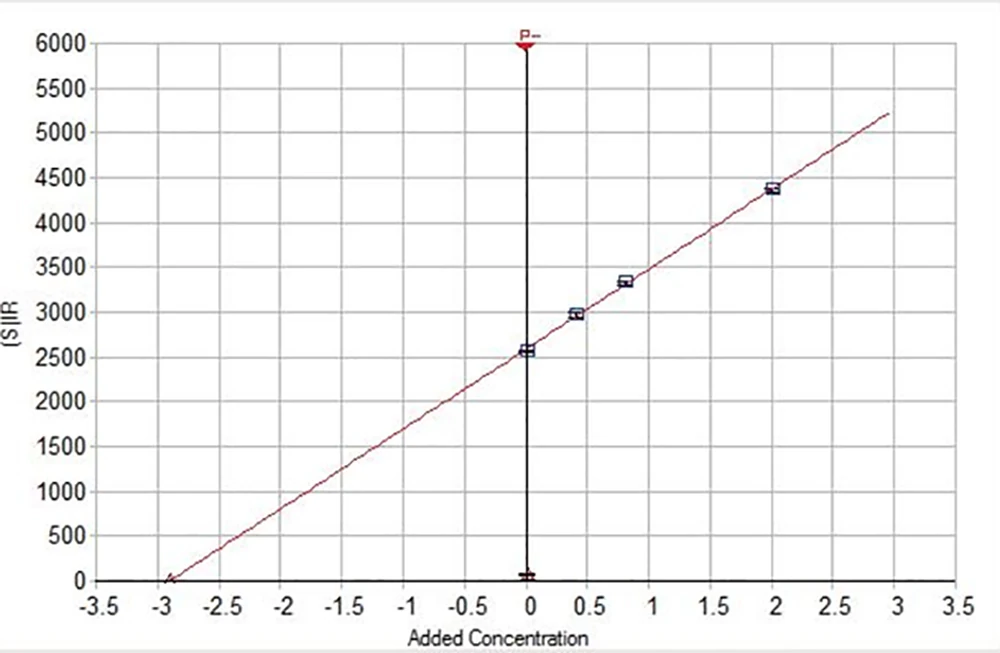
· Standard Addition Method — Determination of Ca, Mg, Cu, Al, Na in lithium iron phosphate; Fe, Ca, Mg, Cu, Al, Na in ternary materials; Fe, Ca, Mg, Cu, Na, Si, K, Cr, S in ternary precursor materials; (Before final dilution of the sample solution, sequentially add mixed standard solutions to four parallel digested sample solutions from the same sample. After spiking, dilute to 25 mL and thoroughly mix on a shaker to achieve the following Si standard solution concentrations in the diluted samples: 0 μg/mL, 0.2 μg/mL, 0.5 μg/mL; S standard solution concentrations: 10 μg/mL, 20 μg/mL; Other element standard solution concentrations: 0 μg/mL, 0.2 μg/mL, 0.4 μg/mL, 0.8 μg/mL. Mix thoroughly and hold for analysis.)
1.5 Instrument Parameters
The entire sample introduction system employs a standard sample introduction system for analysis. This includes:
| Instrument Model | ICP-6800 | Plasma Parameters | |
| Observation Mode | Horizontal Observation | Pump Speed | 50rpm |
| Sample Introduction System | RF Power | 1150 W | |
| Accessory | Atomizing Gas | 0.7L/min | |
| Center Tube | 1.5mm Quartz Center Tube | Auxiliary Gas | 0.5L/min |
| Atomization Chamber | High-Efficiency Vortex Atomization Chamber | Cooling Gas | 12 L/min |
| Atomizer | Coaxial Atomizer | Integration Time | 20 seconds |
Analysis Results
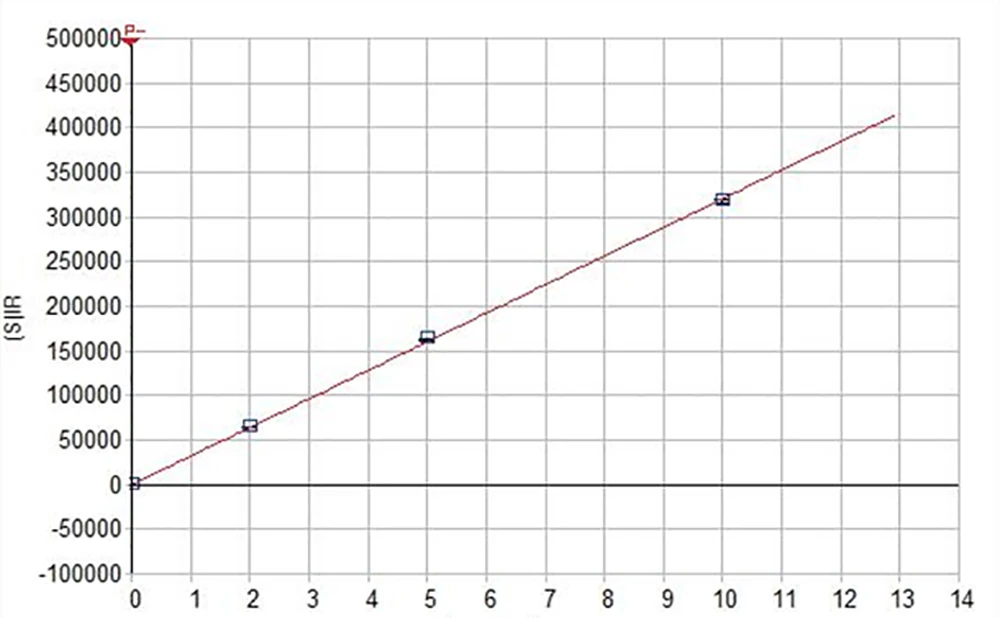
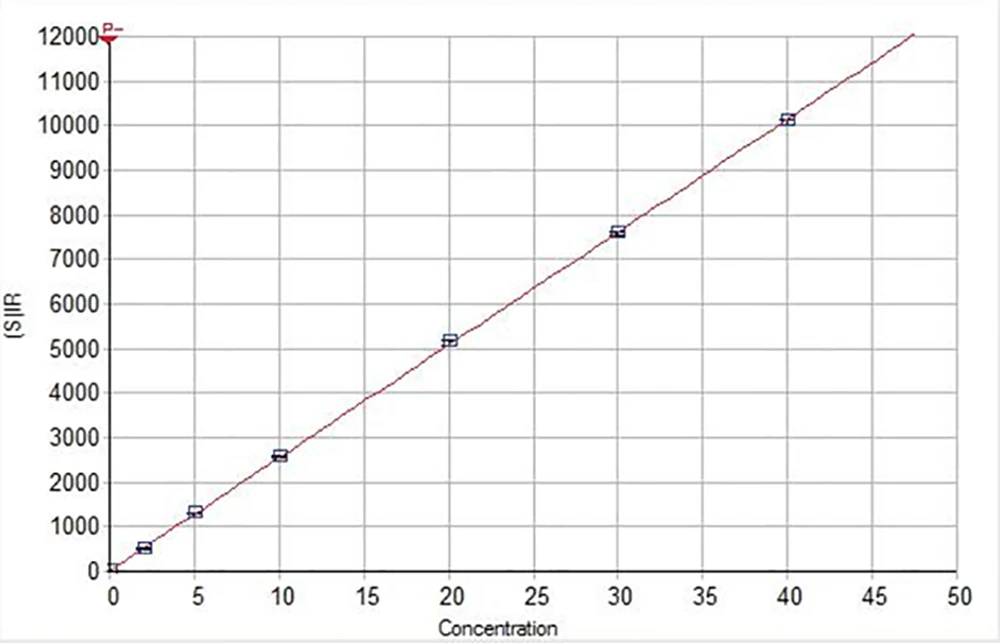
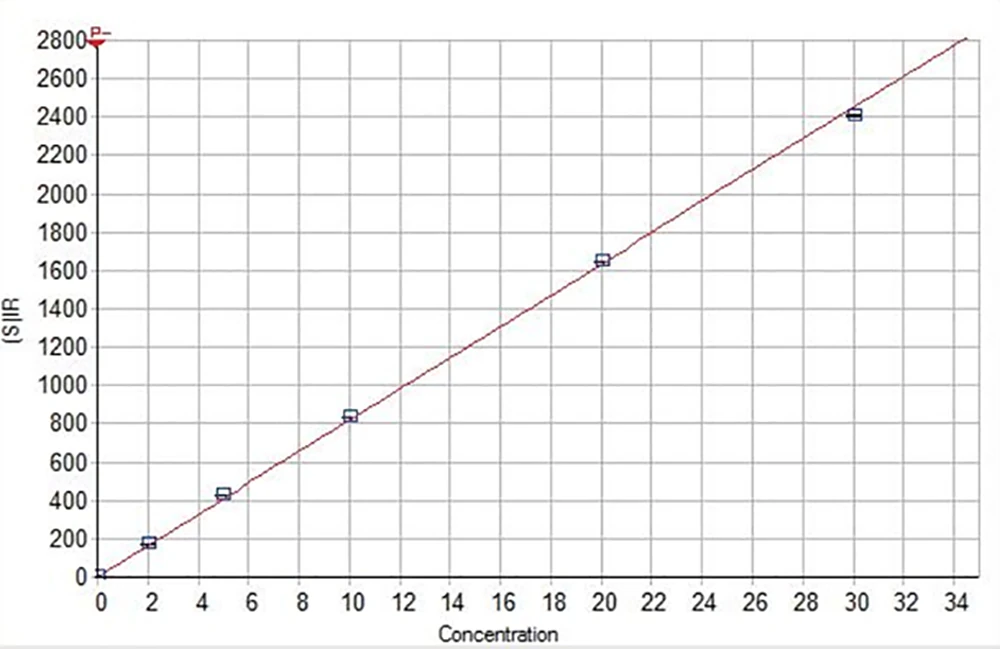
2.1 Elemental Standard Calibration Curve (X-axis: Element Concentration, ppm level; Y-axis: Spectral Line Intensity Value, cts/s)Lithium Iron Phosphate:
Li
Fe
P
Al
Conclusion
Currently, some domestic enterprises only impose limit values on certain impurity elements in lithium cobalt oxide battery materials. Experiments demonstrate that the ICP-6800 emission spectrometer offers significant advantages, including excellent sensitivity, stability, fast analysis speed, strong spectral line selectivity, and low operating costs. It is fully applicable and capable of better meeting and fulfilling the testing requirements for multiple impurity elements.
| Some element indicators | Enterprise standards | Measurement results |
| Li, % | 7.1 ± 0.5 | 7.41% |
| Ni, % | ≤0.010 | 0.00026 |
| Cu, % | ≤0.010 | 0.00032 |
| Fe, % | ≤0.010 | 0.0016 |
| Na, % | ≤0.020 | 0.0010 |
| Ca, % | ≤0.010 | 0.0015 |
| Pb, % | ≤0.005 | 0.0010 |
| Mn, % | ≤0.020 | 0.00032 |
Ready to Implement This Solution?
Contact our application specialists for a customized quote and method validation.