Nano Spectrophotometer Selection Guide: Technology, Performance Factors, Applications, and Buying Considerations
Introduction
Modern molecular biology, biotechnology, and clinical research laboratories increasingly need to analyze samples available in only a few microliters. DNA and RNA extraction, protein analysis, and cell culture testing all depend on reliable measurement results, while excessive sample consumption can limit downstream experiments.
A nano spectrophotometer addresses this challenge through microvolume UV-Vis measurement. By analyzing small liquid samples directly on a measurement surface, it can reduce sample consumption, simplify routine testing, and support efficient laboratory workflows.
However, selecting a suitable instrument requires more than comparing minimum sample volume or measurement speed. Optical performance, wavelength coverage, measurement range, sample handling, software, and long-term technical support all influence the instrument’s practical value.
Taking the Macylab UL-5000 nano spectrophotometer as an example, we will further understand the key design and functions of nano spectrophotometers, as well as how they meet the practical needs of trace sample analysis.
Key Takeaways
- Nano spectrophotometers enable rapid UV-Vis analysis using microliter-level samples.
- Optical architecture, wavelength accuracy, and photometric performance influence measurement reliability.
- The appropriate instrument depends on sample characteristics, application requirements, and workflow needs—not simply the smallest supported sample volume.
- A qualified analytical instrument supplier can provide technical documentation, application guidance, and after-sales support alongside the instrument.
Understanding Nano Spectrophotometer Technology
What Is a Nano Spectrophotometer?
A nano spectrophotometer is a compact UV-Vis analytical instrument designed to measure the absorbance of very small liquid samples, typically at the microliter scale. Unlike a conventional cuvette-based spectrophotometer, it generally uses a microvolume sample-retention system in which a small liquid sample forms the optical path between measurement surfaces.
The instrument measures how much ultraviolet or visible light is absorbed by a sample at selected wavelengths. Based on these measurements, its software can calculate concentration and report absorbance ratios that help researchers assess sample purity.
The Macylab UL-5000 is a full-wavelength microvolume UV-Vis spectrophotometer designed for molecular biology and biochemical laboratory applications. It combines microvolume measurement with a standard cuvette mode, allowing one instrument to support nucleic acid analysis, protein testing, and selected cell or microbial culture measurements.
The term “nano” generally refers to the instrument’s ability to work with very small sample volumes. It does not, by itself, indicate nanometer-scale optical resolution or superior sensitivity. Buyers should therefore compare the actual optical and photometric specifications rather than relying on the product name.
For example, Macylab’s UL-5000 is designed for molecular biology and biochemical laboratory applications. It supports quantitative and qualitative analysis across a wavelength range of 190–900 nm.
How Microvolume UV-Vis Measurement Works
Microvolume Sample Retention
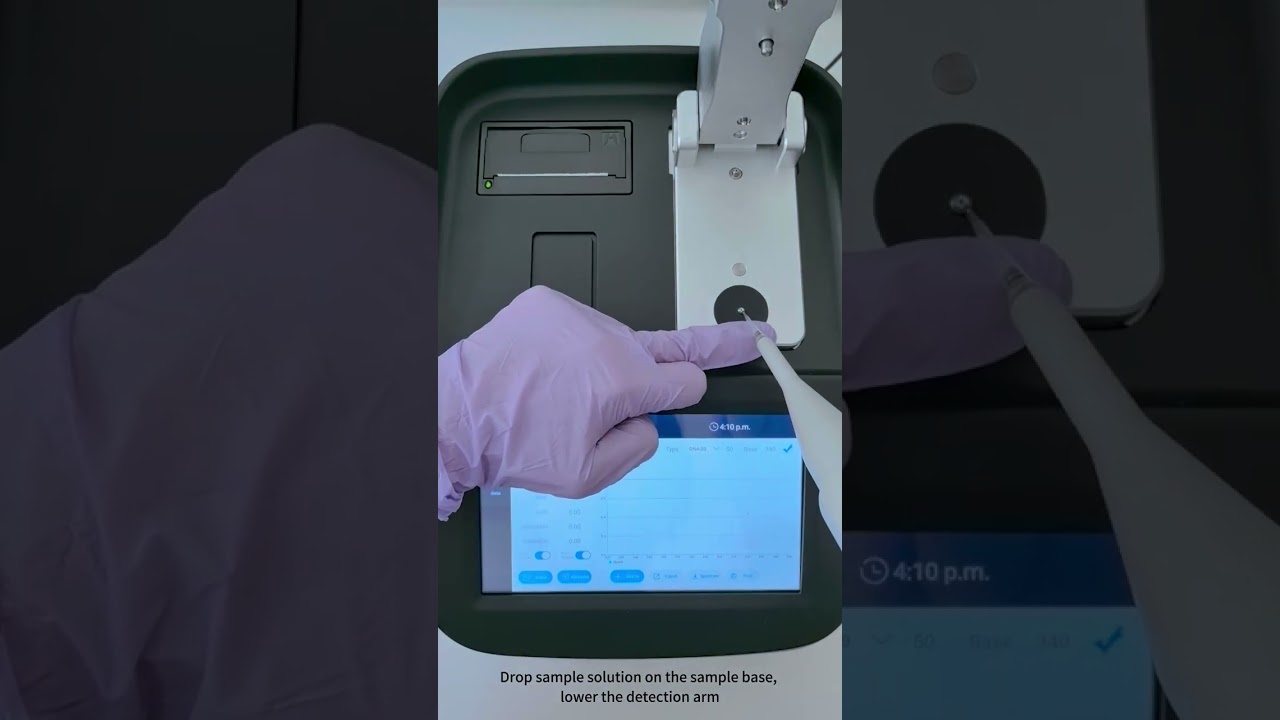
In a typical microvolume system, a small droplet of sample is placed directly on a designated measurement surface. The instrument uses the sample to form the optical path, eliminating the need for a conventional cuvette or capillary during microvolume measurement.
The Macylab UL-5000 requires approximately 0.3–2.5 μL of sample for nucleic acid measurement, depending on the operating procedure and sample conditions. Its minimum stated sample volume is 0.3 μL.
This low sample requirement can be useful when DNA, RNA, or protein samples are available only in limited quantities. It may also reduce the amount of sample consumed during repeated measurements or preliminary quality checks.
Optical Measurement System
A typical microvolume measurement sequence includes:
- Clean the measurement surfaces.
- Apply the blank solution.
- Place the sample directly on the measurement surface.
- Measure absorbance at the selected wavelengths.
- Review the concentration and purity results.
- Remove the sample by wiping the surface or recover it with a pipette, where appropriate.
- Clean the measurement surfaces before the next measurement.
The exact loading procedure, recommended sample volume, and sample recovery method should be confirmed in the manufacturer’s operating instructions.
The UL-5000 combines a microvolume measurement platform with a standard cuvette platform. Its automatically switching optical path is stated to range from 0.02 to 1 mm, helping accommodate different absorbance levels and reduce the need for manual dilution.
The instrument also supports a cuvette mode for conventional testing. This configuration allows laboratories to use the same instrument for microvolume nucleic acid analysis and selected larger-volume measurements, including OD600-based growth density testing.
UV-Vis Absorption Principle
Like traditional UV visible spectrophotometers, nano spectrophotometers analyze the relevant characteristics of a sample by measuring its absorption of ultraviolet or visible light at a selected wavelength. Its micro measurement design enables the instrument to use much less sample volume than traditional colorimetric dishes.
[ A = ε c l ]
Where:
- A is absorbance.
- ε is molar absorptivity.
- c is analyte concentration.
- l is optical path length.
This formula explains the relationship between absorbance, sample concentration, and optical path length. For known analytes and measurement wavelengths, when the sample and measurement conditions satisfy the applicable assumptions of the Beer Lambert law, absorbance is usually related to the concentration of the analyte. Therefore, the instrument can estimate the concentration of the target substance in the sample by measuring absorbance and combining it with corresponding calculation methods.
In actual trace instruments, software may apply calibration factors, optical path correction, and specific application calculation methods to report concentrations. Blank measurement helps to consider the absorbance generated by buffer or solvent, but cannot eliminate all forms of sample interference.
Pollutants with absorption characteristics in the ultraviolet region may affect concentration and purity results. Therefore, the absorbance measurement results should be interpreted in conjunction with the quality of sample preparation and downstream application requirements.
Optical Configuration and Performance Architecture
When evaluating a nano spectrophotometer, buyers should consider the relationship between the light source, optical path, detector, and correction system. These components collectively influence wavelength consistency, signal quality, measurement range, and repeatability.
| Optical component | Common technology options | Potential performance impact |
| Light source | Xenon flash lamp; deuterium/tungsten lamp | Influences spectral coverage, stability, and measurement-cycle characteristics |
| Optical path | Fixed path; variable path | Affects absorbance range, dilution requirements, and measurement flexibility |
| Detector | CCD; CMOS; photodiode array | Influences signal acquisition, spectral measurement, and measurement speed |
| Correction system | Blank and background correction | Helps account for absorbance associated with the measurement background |
Light source technology deserves particular attention. Xenon flash lamps can provide broad spectral coverage and short measurement cycles. Deuterium lamps are commonly used for ultraviolet measurements, while tungsten-halogen lamps are associated with visible and near-infrared applications.
Fixed-path systems provide a defined measurement geometry, while variable-path systems can adapt the optical path to different absorbance levels. Fiber-optic arrangements may support compact microvolume designs, whereas cuvette-based systems can be more appropriate for larger-volume samples and specialized measurements.
CCD, CMOS, and photodiode array detectors have different design characteristics. Nevertheless, the detector name alone does not determine sensitivity or resolution. A complete comparison should include photometric accuracy, wavelength accuracy, spectral bandwidth, and signal-to-noise performance.
Why Laboratories Choose Nano Spectrophotometers
Ultra-Low Sample Volume Measurement
One of the main benefits of a nano spectrophotometer is its ability to analyze small quantities of biological material. This is particularly useful when samples are difficult to obtain or when the remaining material is needed for downstream experiments.
Microvolume analysis can help laboratories:
- Conserve DNA, RNA, and protein samples.
- Reduce sample consumption during routine checks.
- Minimize dilution and cuvette preparation requirements.
- Support repeated measurements during extraction and purification workflows.
For example, a researcher can measure a DNA extract before PCR preparation without consuming the volume required for the complete experiment.
Faster DNA, RNA, and Protein Quantification
A nano spectrophotometer can simplify routine quantification because it measures absorbance directly and generally does not require fluorescent labeling. This makes it a convenient first-line tool for checking nucleic acid concentration and purity.
Typical applications include PCR preparation, qPCR workflow assessment, sequencing preparation, and monitoring selected protein purification steps.
Absorbance-based measurement should nevertheless be distinguished from final analytical validation. UV-absorbing contaminants can influence the results, and fluorescence-based methods may provide greater selectivity or sensitivity for specific low-concentration applications.
Reduced Sample Preparation Requirements
Compared with methods requiring labeling or extensive preparation, microvolume UV-Vis measurement often involves fewer preparation steps. A prepared sample can generally be measured after blanking and loading.
This can reduce handling time and support workflow consistency. However, the method remains sensitive to sample matrix effects. Residual extraction reagents, salts, phenol, proteins, and other contaminants may affect absorbance results.
Extremely low concentrations may also fall below the instrument’s practical measurement capability. The appropriate method should therefore be selected according to sample matrix, concentration range, and required analytical confidence.
Key Technical Specifications to Evaluate Before Purchasing a Nano Spectrophotometer
Wavelength Range, Accuracy, and Resolution
The wavelength range should match the intended applications. Nucleic acid quantification commonly relies on absorbance near 260 nm, while protein analysis often considers 280 nm. Measurements near 600 nm are commonly associated with cell or microbial growth density applications.
UL-5000 is a wavelength range of 190–1100 nm, with a spectral resolution of 1 nm. It also describes full-wavelength scanning and the presentation of scan results across 190–900 nm.
Detection Limit, Dynamic Range, and Absorbance Performance
Important parameters include:
- Limit of detection (LOD).
- Limit of quantification (LOQ).
- Signal-to-noise ratio.
- Photometric accuracy and linearity.
- Maximum measurable absorbance.
- Effective dynamic range.
Sensitivity and dynamic range should be evaluated under realistic sample conditions rather than by relying solely on the lowest advertised concentration.
The UL-5000 is a dsDNA measurement range of 1.5 ng/μL to 37,500 ng/μL without dilution, depending on sample conditions. It is also a measurement range that is substantially broader than that of many conventional spectrophotometric arrangements.
Optical System and Detector Technology
The optical architecture should be evaluated according to the intended workflow. Relevant considerations include:
- Single-beam or dual-beam configuration.
- Fixed or variable optical path.
- Fiber-optic or other microvolume arrangements.
- Array-based or other detector technology.
- Sample handling and measurement geometry.
Single-beam systems can offer a relatively straightforward optical design. Dual-beam systems may improve measurement stability by comparing sample and reference signals, depending on implementation.
The important question is not which architecture sounds most advanced, but whether the complete system provides the accuracy, repeatability, and speed required for the intended applications.
Repeatability, Accuracy, and Long-Term Reliability
For routine laboratory use, consistent results are often more valuable than a single impressive specification. Buyers should review photometric accuracy, precision, repeatability, calibration procedures, and quality-control recommendations.
Long-term reliability also depends on lamp lifetime, detector stability, cleaning requirements, and the availability of replacement components. A supplier should be able to explain how the instrument is maintained and how performance can be verified over time.
Software, Data Management, and Standalone Operation
Modern laboratory instruments should support more than basic measurement display. Useful software functions may include internal data storage, exportable reports, sample identification, data processing, and connectivity options.
The Macylab UL-5000 is designed for independent operation and does not require an external computer for routine measurements. It includes an Android operating system and a 7-inch capacitive touch screen.
Users can perform measurements, process data, and store results directly on the instrument. The integrated thermal printer supports immediate report printing, while the instrument is stated to store approximately 100,000 records and provide USB data export.
The UL-5000F software interface includes seven functional sections:
- Nucleic Acid A260
- Protein A280
- Protein Colorimetric Method
- Full-Wavelength Scan
- Growth Density
- Fluorescence Detection
- System Settings
Nano Spectrophotometer Applications Across Industries
Within the broader category of Life Science Instruments, nano spectrophotometers are commonly used alongside PCR systems, centrifuges, electrophoresis equipment, and other laboratory tools that support sample preparation and molecular analysis.
Molecular Biology Research
Microvolume UV-Vis instruments can support DNA and RNA concentration measurement, purity assessment, and sample screening before PCR, qPCR, sequencing, and other downstream workflows.
The UL-5000 is designed to support nucleic acid concentration and purity analysis while conserving sample volume.
Biotechnology and Protein Analysis
In biotechnology laboratories, absorbance measurement can support protein concentration analysis, purification monitoring, and selected biochemical research tasks. The UL-5000 also provides a protein colorimetric measurement mode, subject to the applicable method and reagent requirements.
Clinical Laboratory Applications
Clinical laboratories may use spectrophotometric techniques in research, screening, and validated analytical procedures. A microvolume instrument can be useful when sample conservation and rapid measurement are important.
For clinical applications, buyers should emphasize calibration documentation, quality management, traceability, and compliance with relevant laboratory requirements. A nano spectrophotometer should not be assumed to be suitable for every diagnostic application simply because it can measure biological samples.
Environmental Microbiology and Food Safety
UV-Vis measurement can support selected environmental microbiology and food safety testing applications, including suitable sample screening and microbial growth-related analysis.
The UL-5000’s cuvette mode and OD600 measurement capability may be relevant to bacterial, yeast, and cell culture growth density measurements. Complex environmental and food matrices may require additional sample preparation and method validation.
Nano Spectrophotometer Technology Comparison
Nano Spectrophotometer vs. Traditional UV-Vis Spectrophotometer
The principal distinction is sample handling and typical application focus.
| Factor | Nano spectrophotometer | Traditional UV-Vis spectrophotometer |
| Sample volume | Microliter-level in microvolume mode | Commonly milliliter-scale cuvette samples |
| Measurement speed | Often rapid for routine microvolume testing | Depends on configuration and measurement method |
| Sample preparation | Usually minimal for prepared liquid samples | Often requires cuvette preparation and larger volumes |
| Main applications | Molecular biology and life science workflows | General chemical analysis and broader laboratory testing |
A nano spectrophotometer is often convenient when sample volume is limited and rapid nucleic acid or protein measurements are required. A traditional UV-Vis spectrophotometer may be preferable for larger-volume samples, cuvette-based methods, kinetic experiments, or applications requiring specialized accessories.
Nano Spectrophotometer vs. Fluorescence-Based Quantification
Fluorescence-based methods and absorbance-based instruments serve different analytical needs.
| Factor | Nano spectrophotometer | Fluorescence method |
| Measurement principle | UV-Vis absorbance | Fluorescent signal |
| Sensitivity | Depends on instrument, analyte, and sample conditions | Often higher for specific low-concentration assays |
| Workflow | Direct measurement, generally without labeling | Often requires dyes, probes, or other reagents |
| Best application | Routine concentration and purity assessment | Sensitive or selective quantification of targeted analytes |
A nano spectrophotometer is suitable for fast, direct screening and routine nucleic acid measurements. For very low concentrations or applications requiring greater selectivity, fluorescence may be more appropriate.
How to Select Between Different Nano Spectrophotometer Models
Before making a purchase, compare the following factors:
- Required wavelength range and application compatibility.
- Sample type, volume, and expected concentration range.
- Detection performance, absorbance range, and repeatability.
- Software, storage, reporting, and connectivity requirements.
- Calibration, maintenance, and technical support.
- Supplier experience with the relevant laboratory applications.
This approach helps prevent a purchasing decision based on a single headline specification.
Why Choose Macylab as Your Nano Spectrophotometer Solution Provider?
R&D Capability and Engineering Expertise
A reliable analytical instrument supplier should demonstrate more than product availability. Buyers should look for evidence of engineering capability across optical design, mechanical integration, electrical systems, and software development.
Macylab develops analytical instrumentation with an emphasis on independent technology development and integrated instrument engineering. These capabilities may be relevant when laboratories require application adaptation, instrument integration, and technical assistance during implementation.
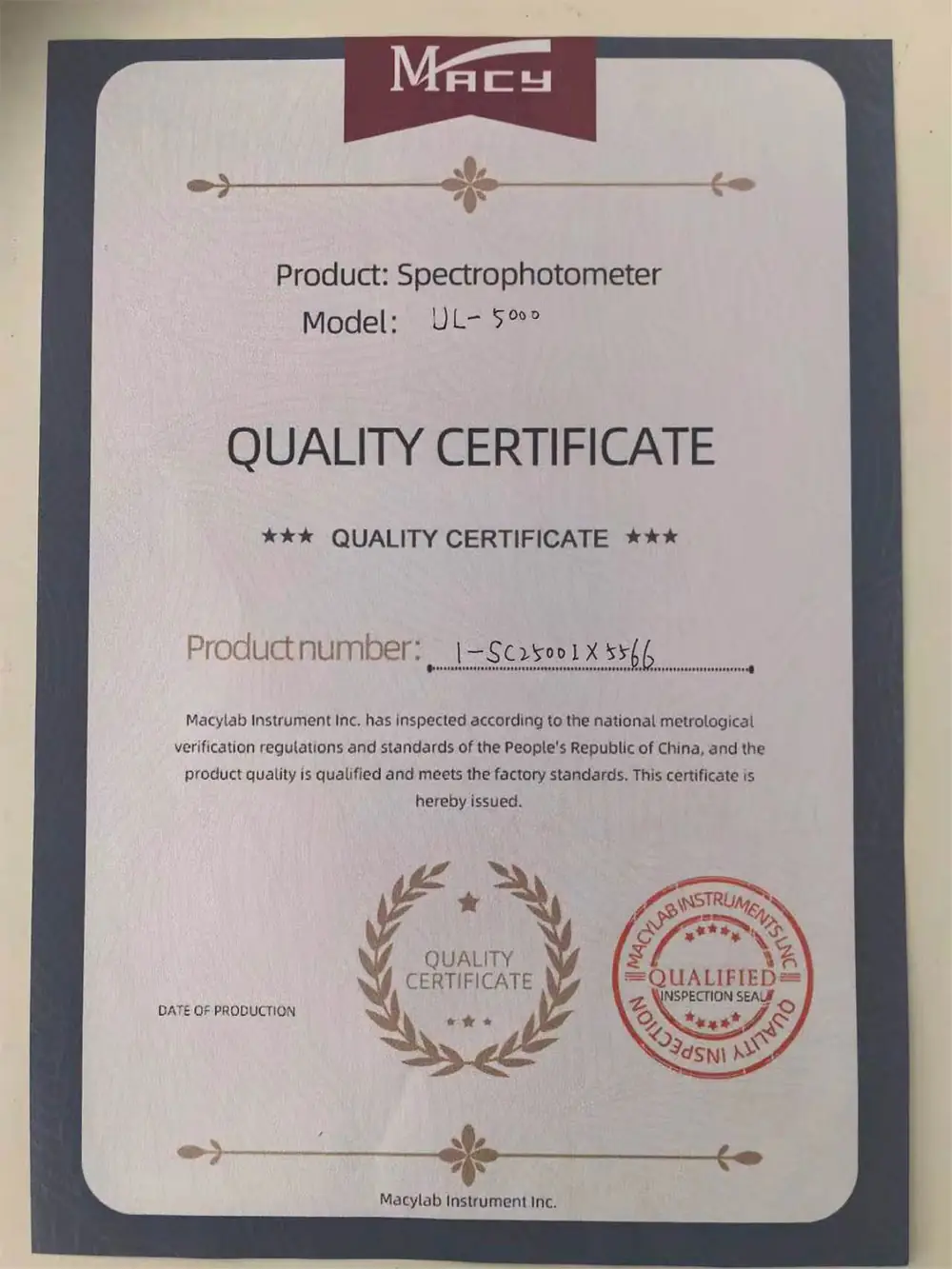
Macylab’s quality documentation provides additional reference for buyers evaluating product manufacturing and inspection processes.
Comprehensive Analytical Instrument Portfolio
Macylab’s portfolio information includes:
- Micro-volume spectrophotometers.
- UV-Vis spectrophotometers.
- Visible spectrophotometers.
- Atomic absorption spectrometers.
- ICP-OES systems.
- Atomic fluorescence instruments.
A broader portfolio can be valuable for laboratories that need multiple analytical techniques from one supplier. It allows procurement teams to consider future testing requirements rather than treating every instrument purchase as an isolated decision.
Macylab UL-5000: Full-Wavelength Ultra-Micro Spectrophotometer
The Macylab UL-5000 is a high-performance full wavelength micro UV visible spectrophotometer designed specifically for molecular biology and biochemical laboratories. It integrates a dual detection platform for ultra trace and standard colorimetric dishes, which can meet the rapid analysis of trace samples and perform routine colorimetric dish detection, with the advantages of one machine for multiple uses and comprehensive functions.
Core product features and performance advantages
- Extremely low sample consumption: supports ultra trace detection, with a typical sample volume of only 0.3-2.5 μ L (minimum required is only 0.3 μ L), effectively simplifying the detection process while protecting precious samples.
- Wide wavelength and dynamic detection range: It has a full wavelength range of 190-1100 nm (resolution of 1 nm) and can automatically provide full wavelength scanning results of 190-900 nm. Its automatic switching optical path range is 0.02-1 mm, and the detection upper limit is 500 times higher than traditional spectrophotometers.
- No need for dilution and preheating: The instrument can measure directly without preheating, and its wide dynamic range (such as dsDNA concentration range of 1.5-37500 ng/μ L) allows most samples to be detected without cumbersome dilution steps, resulting in lower daily consumption.
- Dual platform and OD600 cell density detection: Micro platform is suitable for micro nucleic acid and protein quantification; The colorimetric dish mode supports OD600 detection function, which facilitates routine evaluation of the growth density of bacteria, yeast, and cell cultures.
- Independent intelligent operation and convenient data management: Equipped with a customized Android operating system and a 7-inch capacitive touch screen, it can independently complete detection, data processing, and storage without the need for an external computer. The built-in thermal printer supports real-time printing of reports and is equipped with a USB interface for data export, greatly improving laboratory work efficiency.
- Portable and compact design: The body design is compact and supports portable packaging, making it easy to meet the needs of laboratory mobility or field testing.
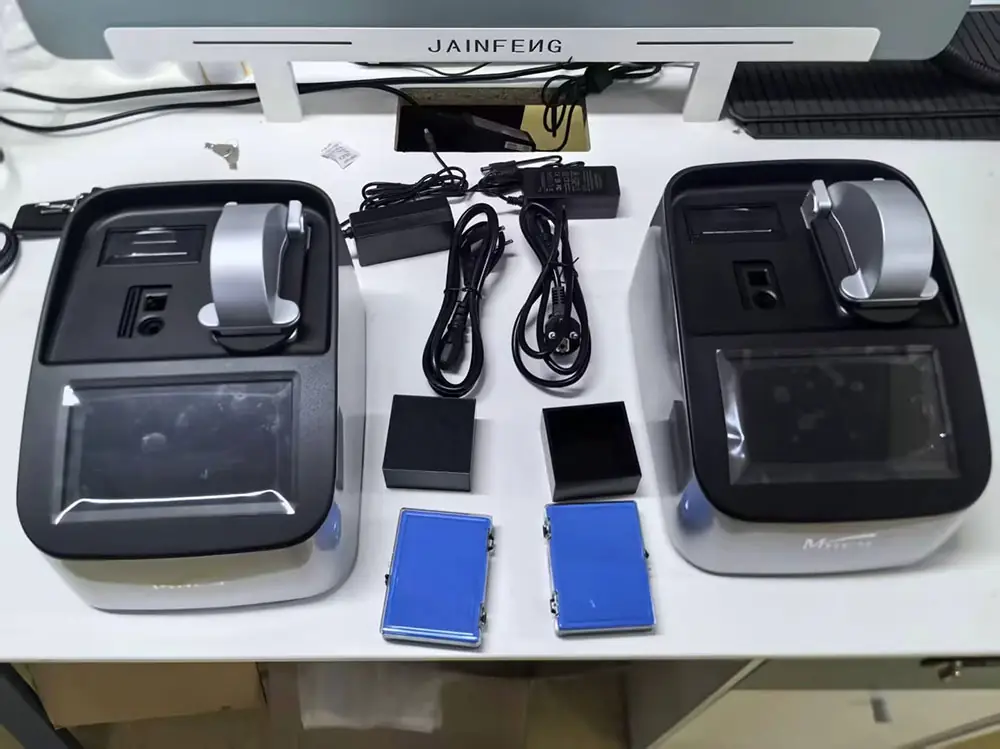
Key Product Features
| Feature | Supplied information |
| Product model | UL-5000 |
| Product type | Micro-Volume UV-Vis Spectrophotometer |
| Stated wavelength range | 190–1100 nm |
| Stated scan result range | 190–900 nm |
| Spectral resolution | 1 nm |
| Minimum sample volume | 0.3 μL |
| Typical nucleic acid sample volume | 0.3–2.5 μL |
| Measurement platforms | Microvolume and standard cuvette |
| Cuvette application | OD600 growth density measurement |
| Operating system | Android |
| Display | 7-inch capacitive touchscreen |
| Data management | Onboard storage and USB export |
| Report output | Integrated thermal printer |
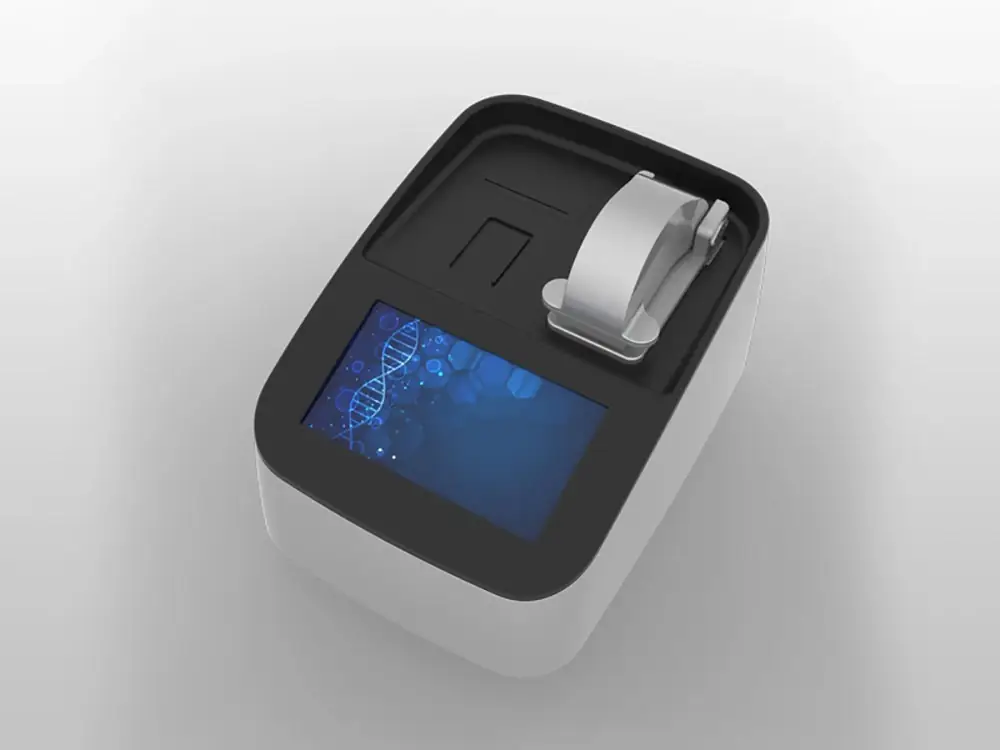
Results and extend the lifespan of the instrument
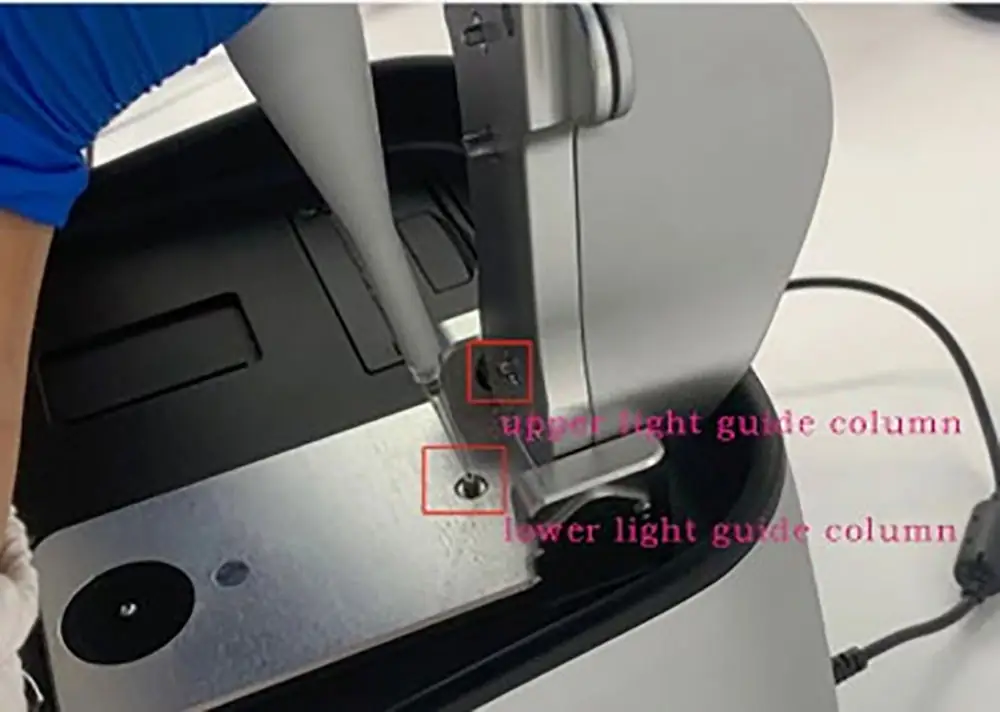
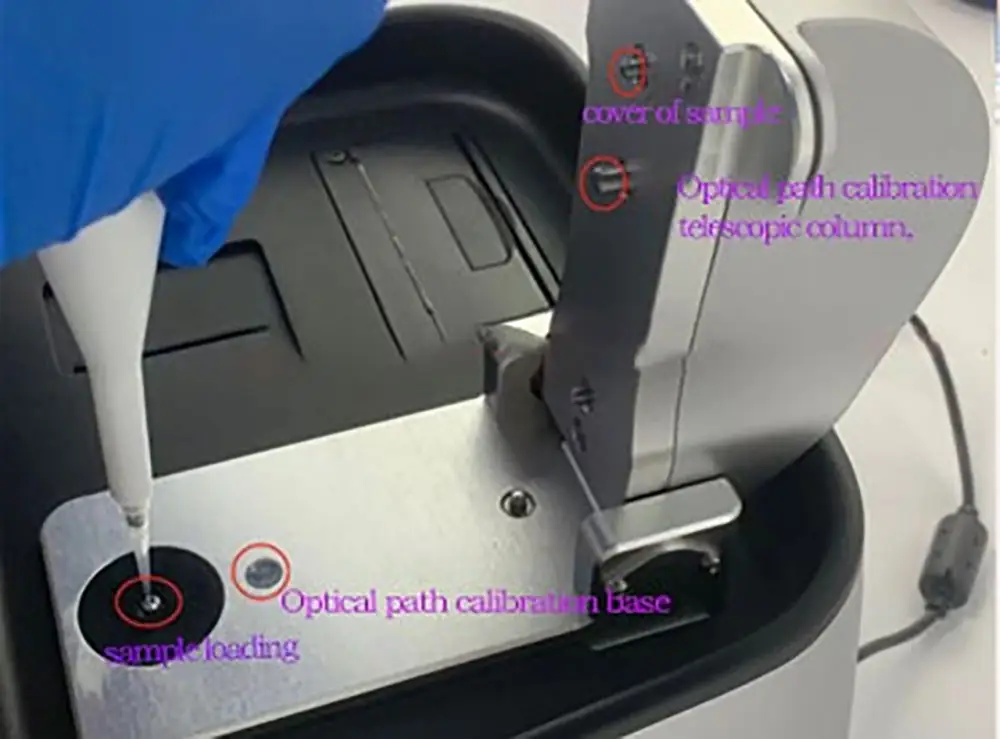
Cleaning steps for sample machine base and light machine base.
1.wipe the area around the measuring base with alcohol.
- Add 3 μ L of deionized water (ddH ₂ O) dropwise onto the measuring table.
- Close the measuring arm (upper cover) so that both the upper and lower light guide columns can fully contact the water droplet.
- Let it sit and dissolve for 5-10 seconds. After opening the cover, use dust-free paper to absorb the liquid on the surface of the upper and lower light guide columns separately.
- Depending on the cleanliness, the above steps can be repeated 2-3 times.
2.Sample handling precautions: After the test is completed, the sample can be wiped off with dust-free paper or valuable samples can be recovered using a pipette
Solutions for Diverse Laboratory Applications
Macylab’s product range serves analytical needs across life science research, pharmaceutical testing, environmental analysis, and industrial laboratories.
For buyers evaluating Life Science Instruments or Clinical Laboratory Instruments, it is important to discuss the intended application, sample matrix, measurement range, and documentation requirements with the supplier before placing an order. This helps ensure that the selected instrument and proposed configuration match the laboratory workflow.
Conclusion
Selecting a nano spectrophotometer requires more than comparing minimum sample volume or advertised measurement speed. Laboratories should evaluate wavelength coverage, optical configuration, absorbance range, sample handling, software, data management, and maintenance requirements together.
The Macylab UL-5000 combines microvolume and standard cuvette measurement platforms in a standalone UV-Vis instrument. Its stated minimum sample volume of 0.3 μL, touchscreen operation, integrated data storage, thermal printing, and OD600 growth density mode support a range of laboratory workflows.
For laboratories working with DNA, RNA, proteins, cell cultures, and other suitable samples, the UL-5000 provides a practical option for combining small-volume measurement with broader testing functionality.
Before procurement, buyers should confirm the current official datasheet, applicable measurement methods, wavelength specifications, calibration documentation, and the suitability of the instrument for their intended applications.
To request a quotation, provide your sample types, expected concentration range, measurement wavelengths, sample-volume requirements, and intended laboratory applications. This information will help the supplier recommend a suitable nano spectrophotometer configuration.
Frequently Asked Questions About Nano Spectrophotometers
1. What is a nano spectrophotometer used for?
A nano spectrophotometer is a compact UV-Vis analytical instrument designed to measure the absorbance of very small liquid samples, typically at the microliter scale. Unlike a conventional cuvette-based spectrophotometer, it generally uses a microvolume sample-retention system in which the liquid forms a short optical path between measurement surfaces.
A nanodrop microvolume spectrophotometer follows a similar measurement concept by using a small sample-retention area and a short optical path to analyze DNA, RNA, and protein samples with limited liquid volume.
2. How much sample volume is required for a nano spectrophotometer?
Microvolume instruments generally work with microliter-level samples, but the exact volume depends on the instrument’s measurement system and operating procedure. Check the manufacturer’s specified minimum and recommended sample volumes before purchasing. The main advantage is reduced sample consumption compared with many conventional cuvette-based methods.
3. What is the difference between nano spectrophotometers and traditional UV-Vis spectrophotometers?
A nano spectrophotometer typically uses a microvolume optical arrangement for small liquid samples, while a traditional UV-Vis spectrophotometer commonly uses cuvettes and larger sample volumes. Nano instruments are particularly convenient for molecular biology workflows, whereas traditional UV-Vis systems may offer greater flexibility for general chemical analysis and specialized cuvette-based methods.
4. Can a nano spectrophotometer measure DNA and RNA?
Yes. Suitable nano spectrophotometers can measure dsDNA, ssDNA, and RNA concentration through UV absorbance. They can also provide absorbance-based purity indicators. However, sample contaminants may affect the results, so concentration and purity data should be interpreted alongside sample preparation quality and downstream application requirements.
5. Nano spectrophotometer vs. fluorescence method: Which is better?
Neither method is universally better. A nano spectrophotometer offers direct, label-free absorbance measurement and is convenient for routine concentration and purity assessment. Fluorescence methods often provide higher sensitivity or greater selectivity for specific low-concentration assays but may require additional reagents. Select the method according to the required sensitivity, sample matrix, and analytical objective.
Here are the links to the Ultra Micro 5000 series videos we have posted on YouTube.